
🧠 Dementia and Mitochondria – What Science Reveals About Your Brain’s Energy
For decades, dementia was seen as an unavoidable part of aging. But new research paints a different picture: in many cases, dementia is not just “bad luck” or genetics – it’s closely linked to how well your brain cells can produce energy. The key players in this story are your mitochondria – the tiny power plants inside each cell.
⚡ Mitochondria – Your Brain’s Powerhouses
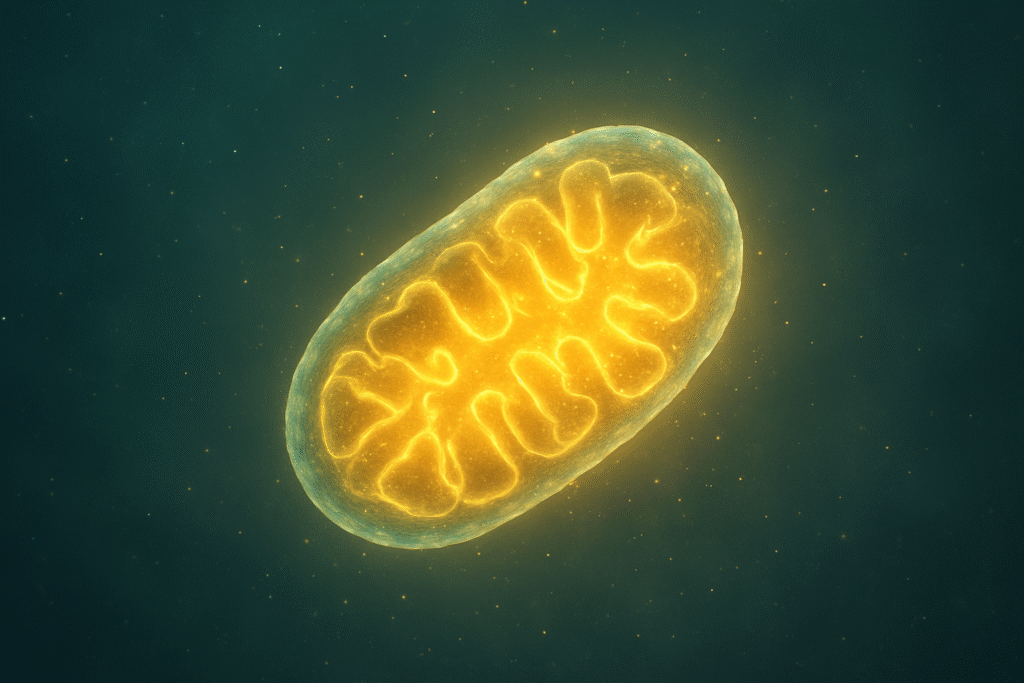
Your brain makes up only about 2% of your body weight but consumes around 20% of your total energy. Every thought, every memory, every emotion depends on this fuel.
Mitochondria are responsible for producing that energy. When they become damaged or weakened, the brain simply runs out of power. The result: memory loss, mental fatigue, and – over time – an increased risk of dementia.
👨⚕️ Expert Insight: Dr. Bodo Kuklinski
Dr. Bodo Kuklinski is a specialist in internal medicine and a pioneer in the field of mitochondrial medicine. His research shows: many chronic diseases – including dementia – are closely linked to disrupted cellular energy production.
His findings highlight that:
- The metabolic syndrome is, at its core, a mitochondrial disorder.
- Vitamin deficiencies (B1, B2, B12, Coenzyme Q10) and oxidative stress worsen the brain’s energy deficit.
- Targeted mitochondrial support can positively influence the course of disease.
Through his books and lectures, Dr. Kuklinski has shown that we should not only fight symptoms but address the root causes – an approach that bridges classical medicine with modern prevention.
💊 The Medication Factor
Certain medications, such as ACE inhibitors, statins, or beta-blockers, may also impair mitochondrial function. Over years, this silent effect can accumulate – especially in older adults – and contribute to cognitive decline.
This doesn’t mean all medications are “bad.” But it does mean we should be aware of their potential side effects and strengthen the body with protective strategies.
🔑 How to Protect Your Mitochondria
The good news: you are not helpless. Only about 5% of chronic diseases are purely genetic – the rest is shaped by environment and lifestyle. By taking care of your mitochondria, you directly support your brain health.
Practical Steps:
- 🥦 Eat antioxidant-rich foods (berries, nuts, leafy greens) to reduce oxidative stress.
- 🏃 Move daily – exercise stimulates new mitochondria and improves circulation.
- 😴 Prioritize deep sleep – your brain detoxifies and recharges energy during the night.
- 🧘 Reduce stress – meditation and breathing exercises protect mitochondria from burnout.
- ❄️ Try cold & heat exposure – sauna sessions or cold showers train cellular resilience.

🚀 Conclusion
Dementia is not an inevitable consequence of aging. It is strongly linked to the energy production inside your cells. By strengthening your mitochondria, you can actively protect memory, focus, and mental clarity – at any age.
👉 In my upcoming PDF you’ll find a compact guide with foods, supplements, and routines to boost mitochondrial health and support lifelong brain power. Stay tuned!